
Effective Tips for Preventing Hearing Loss - Proven Preventing Hearing Loss Methods

Hearing is one of our most valuable senses. It connects us to the world, helps us communicate, and enriches our daily lives. But hearing loss can creep up slowly, often unnoticed until it affects how we interact with others. The good news is that you can take simple, effective steps to protect your hearing and maintain your auditory health. In this post, I will share practical and easy-to-follow preventing hearing loss methods that you can start using today.
Understanding Preventing Hearing Loss Methods
Preventing hearing loss is about more than just avoiding loud noises. It involves a combination of lifestyle choices, protective habits, and regular care. Here are some key methods that can help you safeguard your hearing:
Limit exposure to loud sounds: Loud noises damage the tiny hair cells in your inner ear. These cells do not regenerate, so protecting them is crucial.
Use ear protection: When you know you will be around loud sounds, such as at concerts or construction sites, wear earplugs or earmuffs.
Keep volume at safe levels: Whether you are listening to music, watching TV, or using headphones, keep the volume moderate.
Avoid inserting objects into your ears: Cotton swabs or other items can damage your ear canal or eardrum.
Maintain good ear hygiene: Clean your ears gently and avoid excessive moisture that can lead to infections.
Manage health conditions: Diabetes, high blood pressure, and other illnesses can affect your hearing. Keep these under control with your doctor’s help.
Avoid smoking: Smoking reduces blood flow to the ears and increases the risk of hearing loss.
By following these preventing hearing loss methods, you can significantly reduce your risk of developing hearing problems.
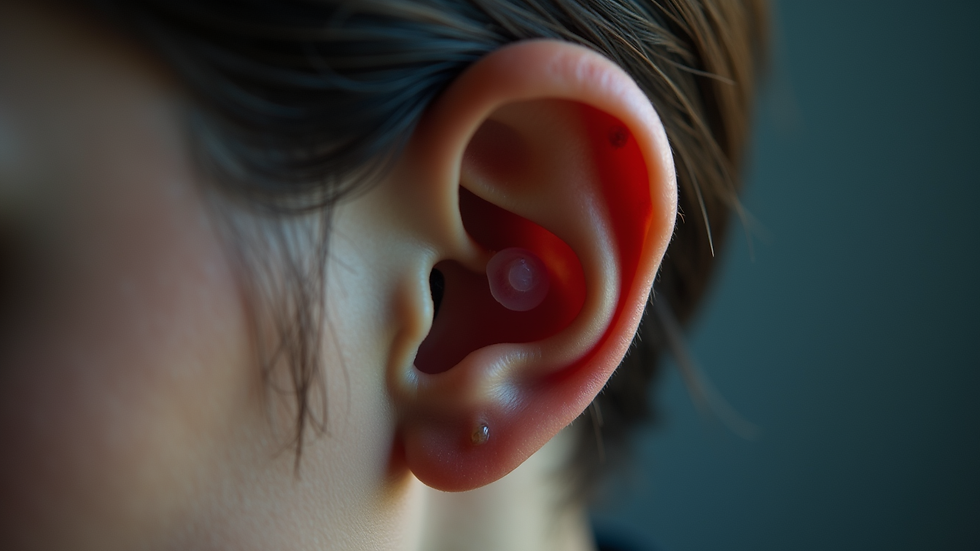
How to Check Ear Health?
Regularly checking your ear health is an important part of preventing hearing loss. You don’t need special equipment to do some basic checks at home, but professional evaluations are essential for a thorough assessment.
Here are some simple ways to monitor your ear health:
Listen for changes: Notice if sounds seem muffled or if you have trouble understanding conversations, especially in noisy places.
Check for ringing or buzzing: Persistent tinnitus (ringing in the ears) can be a sign of hearing damage.
Look for ear pain or discharge: These symptoms may indicate infections or other issues that need medical attention.
Test your hearing: You can do a basic hearing test online or use smartphone apps designed for this purpose.
Schedule professional hearing tests: Audiologists can perform detailed tests to measure your hearing ability and detect early signs of loss.
If you experience dizziness, vertigo, or difficulty swallowing or speaking, these could be related to ear or vestibular problems. It’s important to seek expert advice promptly to address these symptoms.
Practical Hearing Loss Prevention Tips You Can Use Today
Now that you understand the basics, let’s dive into some practical hearing loss prevention tips you can apply immediately:
Use noise-cancelling headphones: These reduce background noise, allowing you to listen at lower volumes.
Take listening breaks: If you use headphones or are in noisy environments, give your ears a rest every hour.
Keep your ears dry: After swimming or bathing, dry your ears gently with a towel to prevent infections.
Avoid loud environments when possible: If you can’t avoid them, use ear protection.
Be mindful of medications: Some drugs can affect hearing. Always discuss side effects with your doctor.
Stay active and eat well: Good circulation supports ear health. Exercise regularly and eat a balanced diet rich in vitamins and minerals.
Get regular check-ups: Early detection of hearing issues leads to better outcomes.
By incorporating these habits into your daily routine, you are actively protecting your hearing and overall ear health.
When to Seek Professional Help?
Knowing when to consult a specialist is crucial. If you notice any of the following, it’s time to see an Audiologist or ENT specialist:
Sudden hearing loss or a rapid decline in hearing
Persistent ringing or buzzing in your ears
Frequent dizziness or vertigo
Difficulty understanding speech, especially in noisy places
Ear pain, discharge, or swelling
Problems with balance or coordination
Early intervention can prevent further damage and improve your quality of life. Clinics like The Hills Clinic in Hyderabad offer expert-led hearing aid technology, advanced vertigo diagnostics, and specialized speech therapy to support your auditory and vestibular health.
Taking Control of Your Hearing Health
Preventing hearing loss is a journey that requires awareness and action. You have the power to protect your hearing by adopting simple, effective habits. Remember, your ears are delicate and deserve care and attention.
If you want to learn more about hearing loss prevention tips, I encourage you to explore trusted resources and consult professionals who can guide you.
By prioritizing your hearing health today, you ensure a richer, more connected tomorrow. Take the first step now and make hearing protection a part of your everyday life. Your ears will thank you.
Thank you for reading. I hope these preventing hearing loss methods help you maintain your hearing and enjoy life’s sounds to the fullest.



Comments